In China, Chery has entered the megawatt charging race. Following the introduction of megawatt charging solutions by BYD, Geely, and Huawei, the state-owned automaker now presents a charger with 1.44 MW peak output. Read more…
In China, Chery has entered the megawatt charging race. Following the introduction of megawatt charging solutions by BYD, Geely, and Huawei, the state-owned automaker now presents a charger with 1.44 MW peak output. Read more…
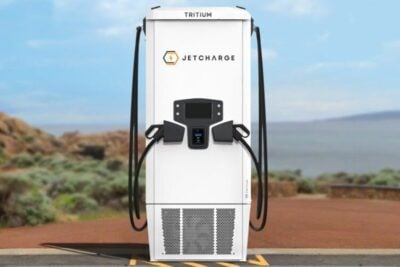
The Australian Renewable Energy Agency (ARENA) has committed AU$4 million to a project which will deploy vehicle-to-grid technology across a fleet of 130 EVs. The three-year project aims to explore whether fleets can reduce operating costs by providing grid services without compromising on day-to-day operations. Read more…

Researchers at Sweden’s Chalmers University have developed an optimisation method to more efficiently guide autonomous electric taxis through urban traffic. The approach combines AI forecasts with mathematical models and is designed to account for unpredictable factors such as unusual weather conditions. Read more…
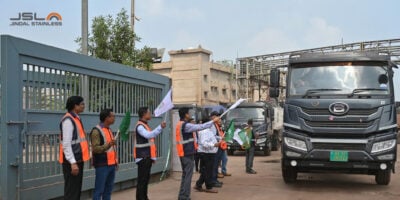
Indian steel manufacturer Jindal Stainless has added ten heavy-duty electric trucks to its fleet. For the first time, the company is using electric trucks to transport finished goods, building on its earlier introduction of alternative-fuel vehicles running on LNG and CNG. Read more…
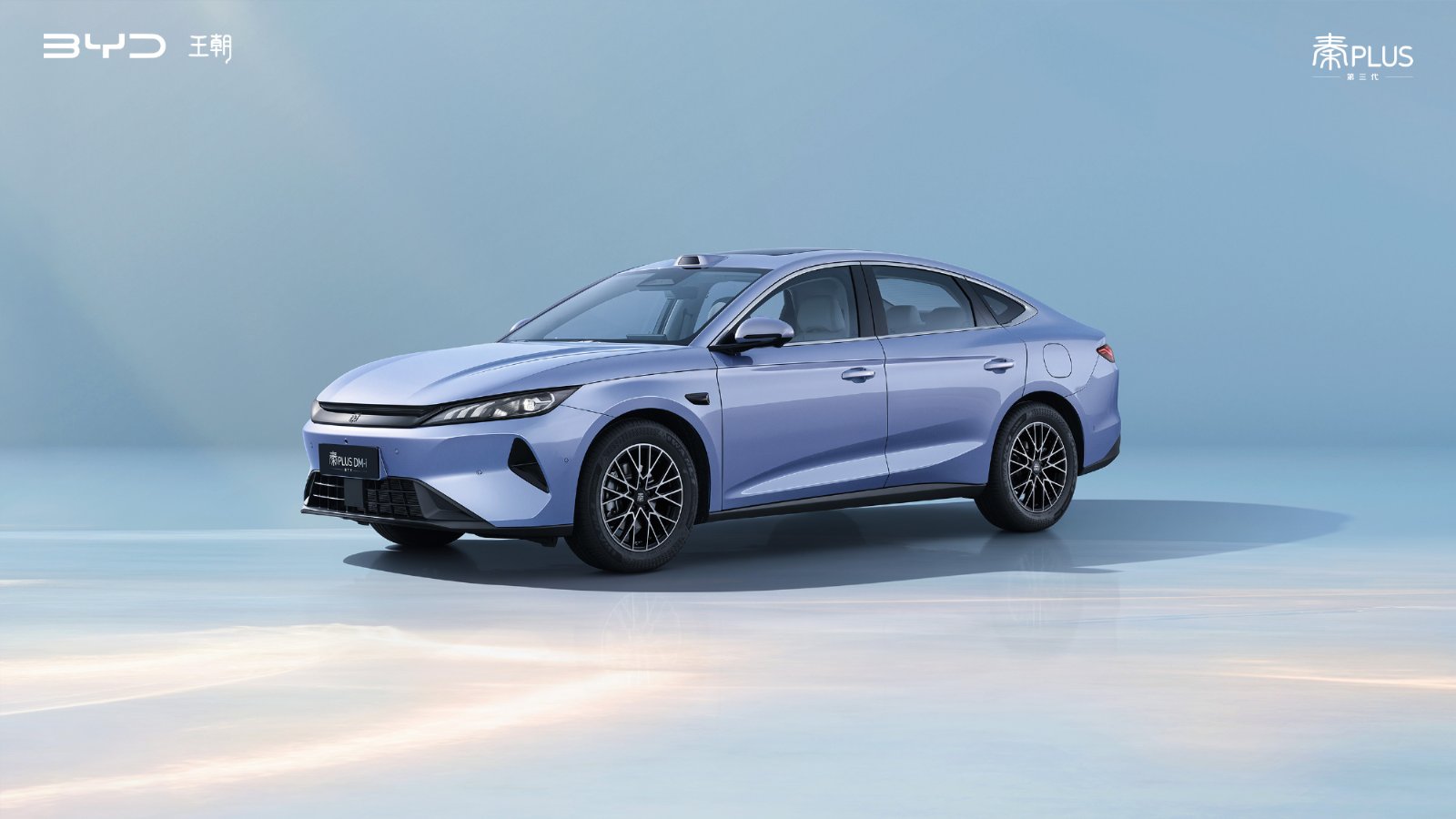
The third-generation Qin Plus grows to 4,840 mm in length and will add roof-mounted LiDAR. Read more…
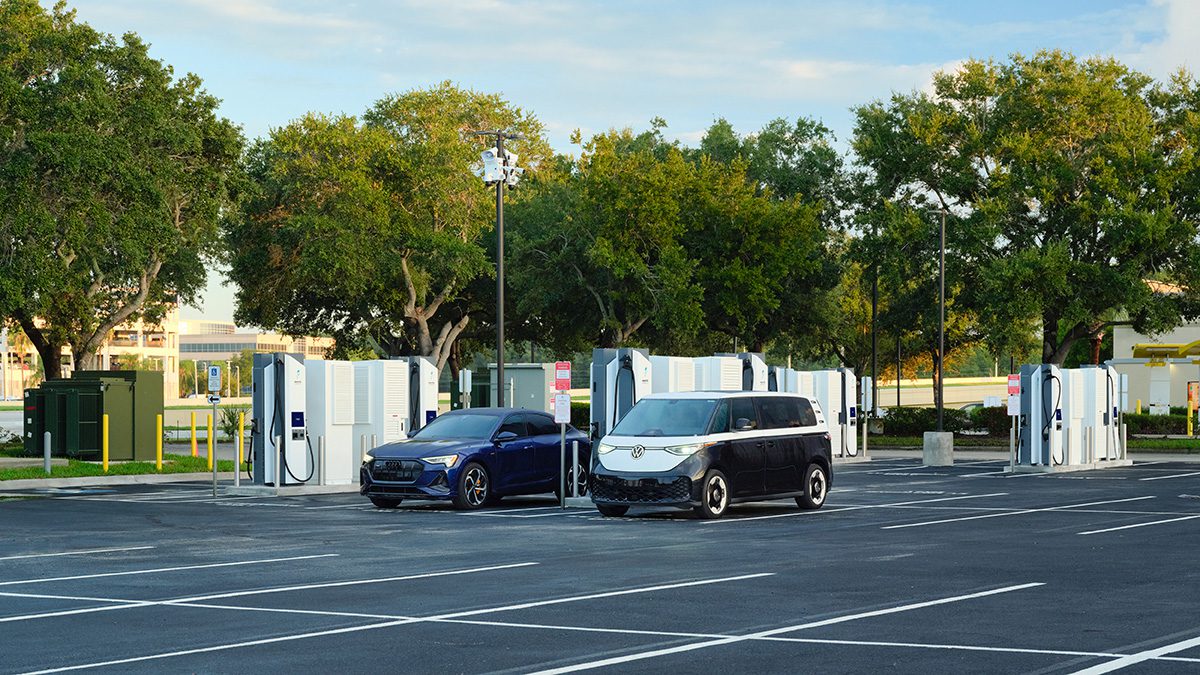
Electrify America opens its largest EV charging station in Orlando with 24 CCS fast chargers up to 350 kW, expanding Florida’s EV charging network. Read more…
This week on Electrek’s Wheel-E podcast, we discuss the most popular news stories from the world of electric bikes and other nontraditional electric vehicles. This time, that includes new e-bikes from Lectric and Priority, a review of Xtracycle’s Swoop ASM cargo e-bike and Yozma’s new IN11 mini emoto, a new friction drive e-bike conversion kit, a potential update to NJ’s e-bike crackdown law, a record-breaking Zero Motorcycle ride, and more. Read more…

Tesla’s proposed $10 billion “Project Crystal Sun” solar factory in Texas could get up to 35 years of local tax breaks on its equipment, according to the four agreements Fort Bend County commissioners approved on Thursday. Read more…
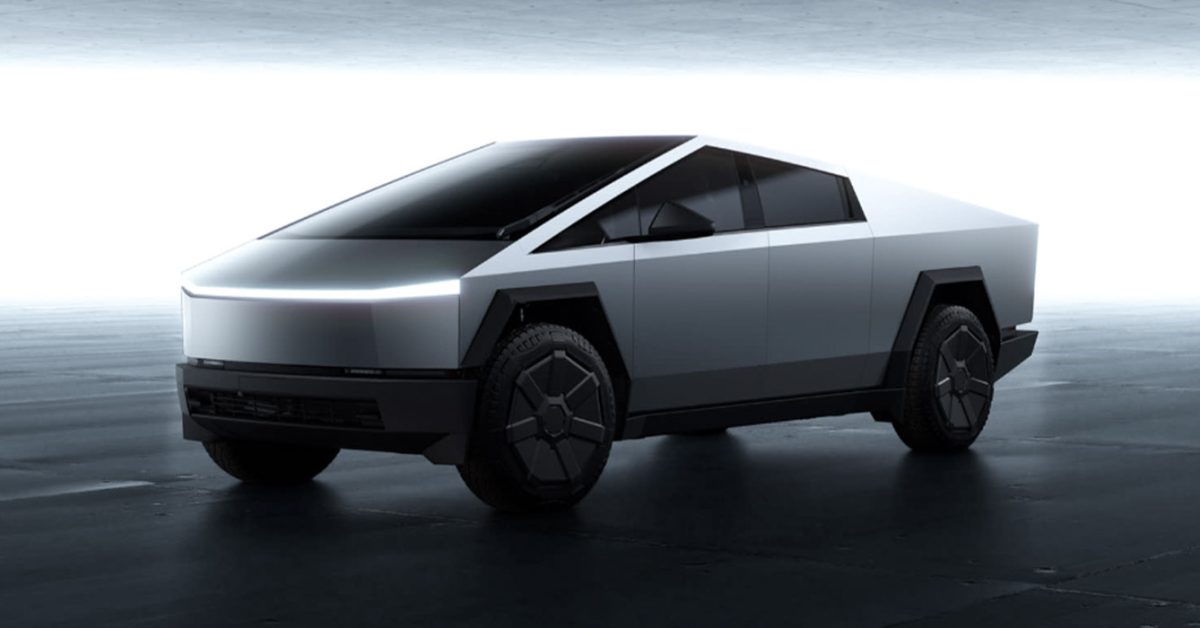
Tesla has officially cancelled the Cybertruck for Australia and New Zealand. Reservation holders are getting emails today telling them their orders are void and their deposits will be refunded. Read more…
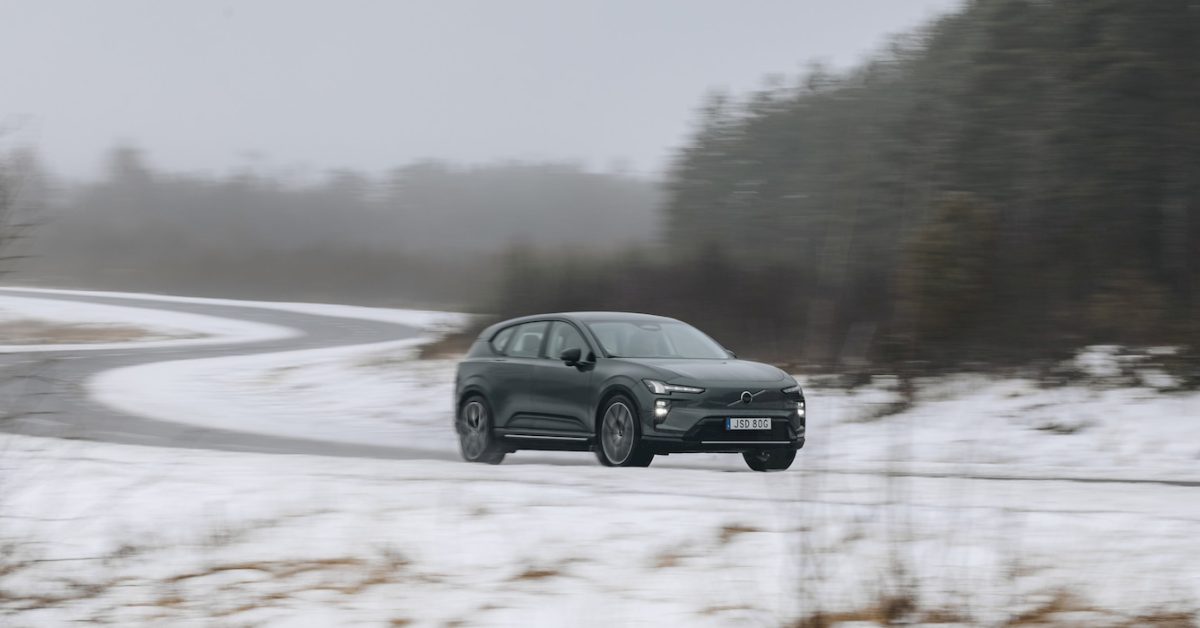
Volvo expects the EX60 to become one of its best-selling vehicles ever, with over 50,000 orders already in Europe. But as demand builds, Volvo is struggling to ramp up production. Read more…
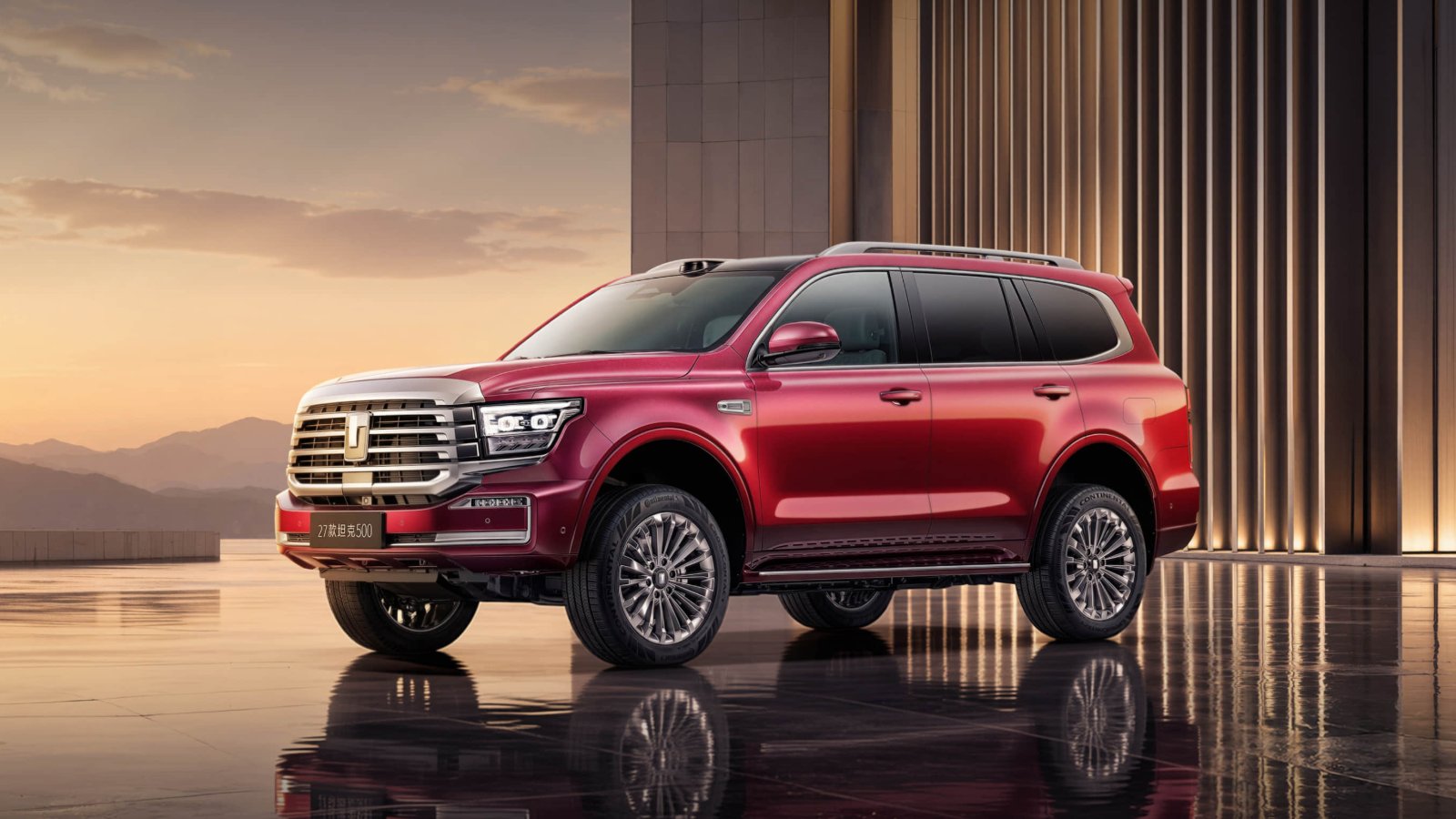
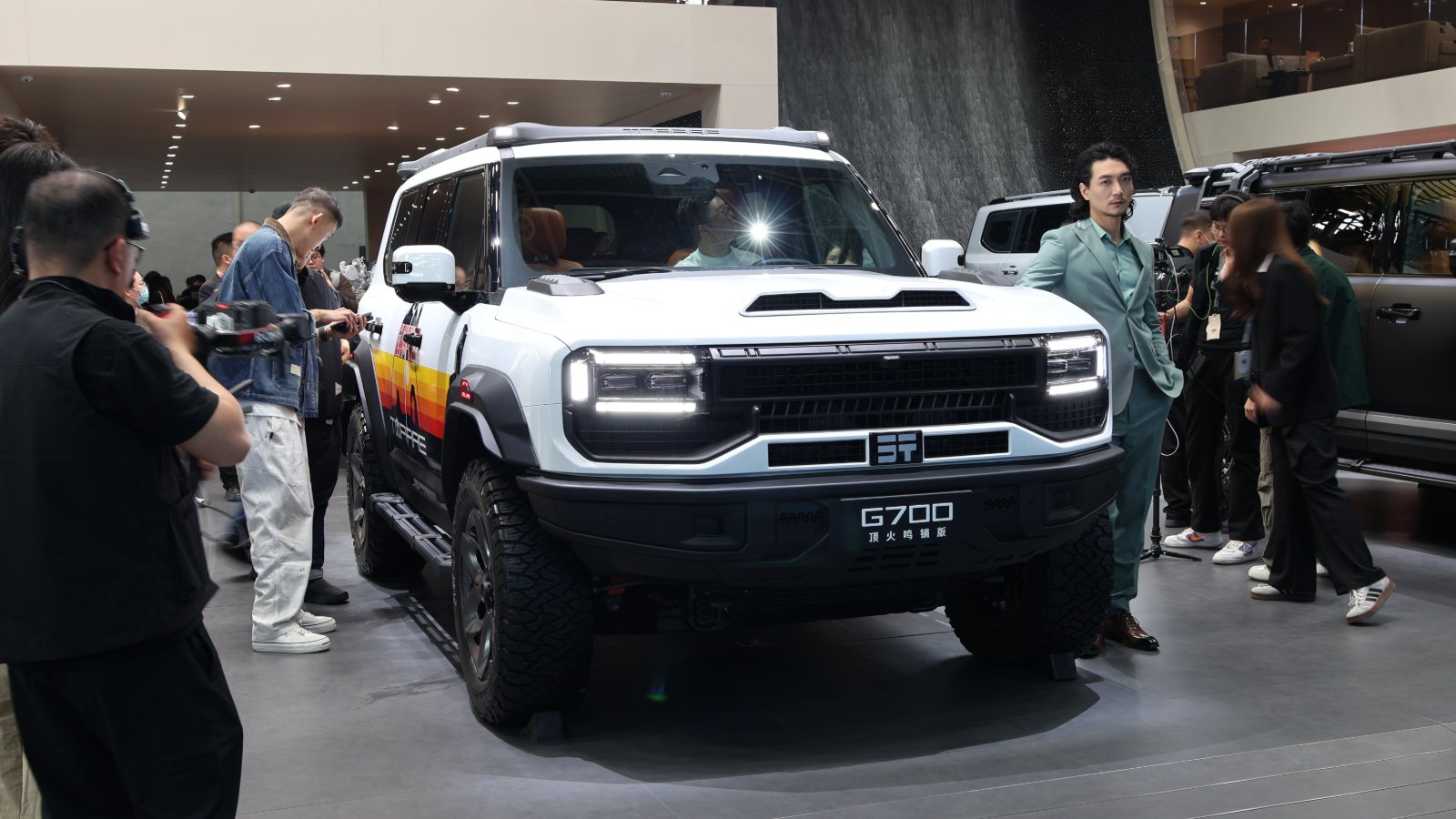
The off-road SUV gains driver-assistance and cabin upgrades while retaining plug-in hybrid and gasoline options. Read more…
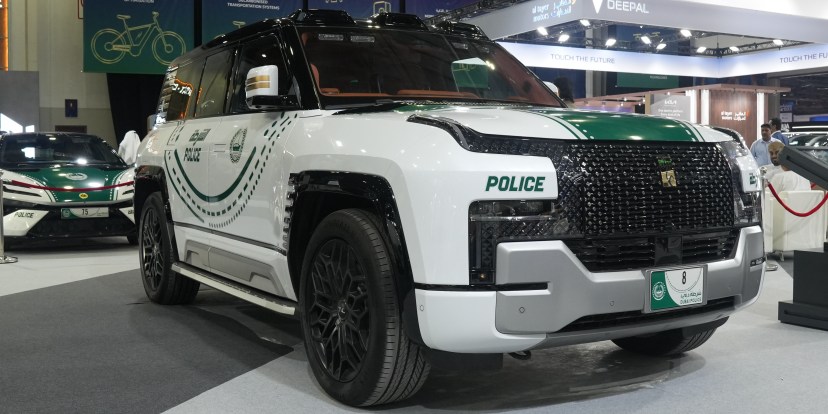
Once you’ve been driving for a few years, you start to recognize unmarked police cars from quite far away. In the UK, traffic officers usually spend their shifts in a Skoda Octavia vRS, waiting for someone to get a bit too optimistic in the outside lane. In Germany, the autobahn patrols rely on practical BMWs, Volkswagens, and a growing fleet… Read more…
VW’s sub-brand is launching the Jetta M6 at dealerships in China. With the market launch, the manufacturer is also adjusting the pre-sale prices downward by 1,000 yuan (~€134 euros). Read on for more details on what makes this mid-size sedan stand out, along with key data for the three available versions. Read more…

Chinese automakers BAIC Group and CATL are deepening their partnership in the field of passenger car battery swapping: BAIC plans to develop more compatible models and advance the construction of swapping stations with the help of its dealer network. Read more…

Volkswagen is apparently establishing a unit called ‘OneTeam’ to accelerate the development of driver assistance systems (ADAS) and autonomous driving. Cariad manager Manuel Birke will reportedly take over the leadership and will report to Audi development board member Rouven Mohr in the future. Read more…
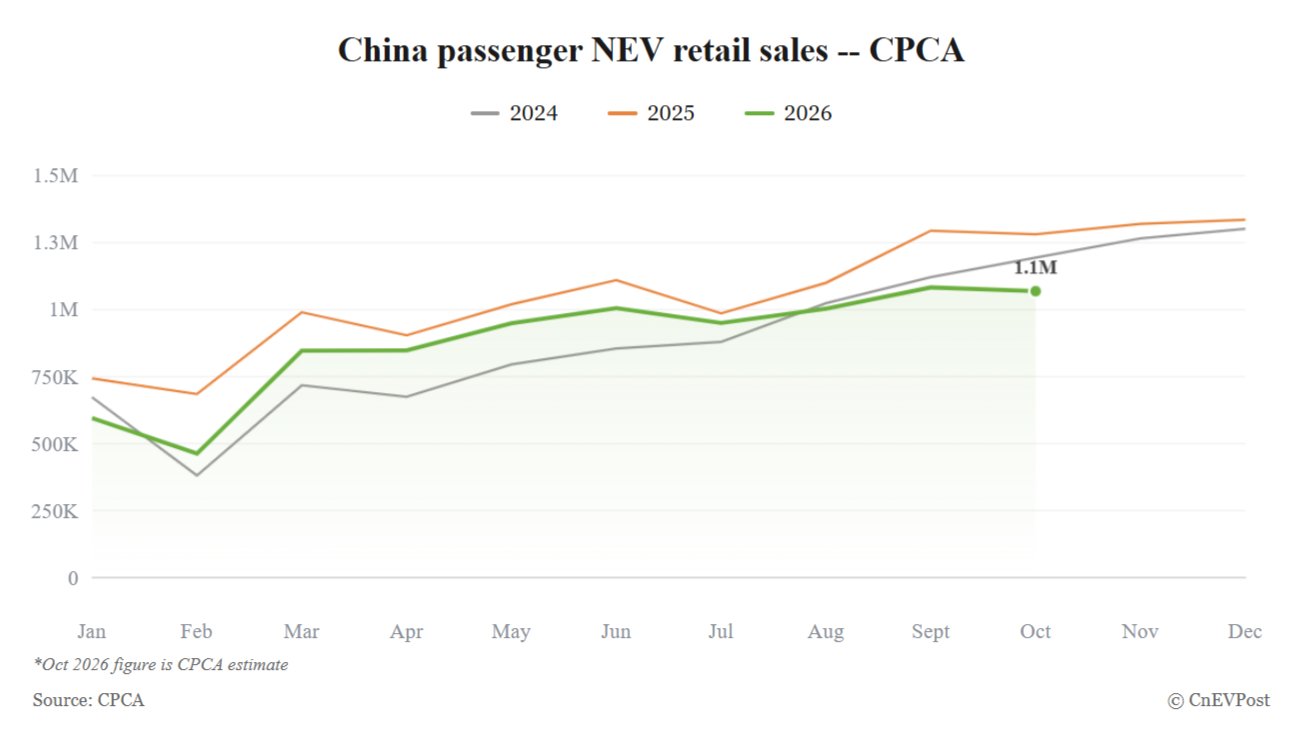
China’s NEV retail sales are expected to come in at 1.07 million in October, down 16.5% year-on-year. Read more…
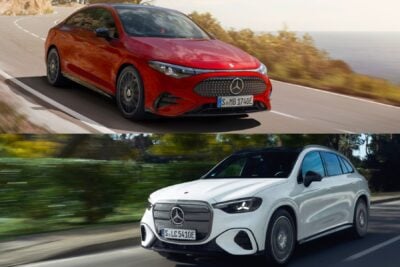
Mercedes-Benz is surprised by the high demand for its all-electric models CLA and GLC. Currently, the delivery time for both vehicles is six months. The battery plant in Kamenz has been operating six days a week in a three-shift system since June to secure the supply of traction batteries. Read more…
The Bosch Group is undergoing an internal corporate restructuring. From August 1, 2027, the Mobility business sector will exist as an independent subsidiary, among others. Three additional areas will also be transferred to subsidiary companies. The group aims to enhance its competitiveness and operate with greater flexibility. Read more…
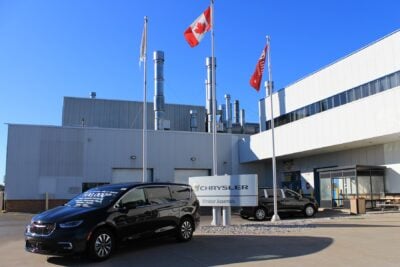
Canada’s government is freezing fleet emission standards for passenger cars and light commercial vehicles at 2026 levels through 2029. This move aims to give automakers more flexibility. However, annual tightening of standards will resume starting with the 2030 model year. Read more…
Chery is assessing idle capacity at existing plants and exploring partnerships with potential investors. Read more…
Evearly news aggregates news about electric vehicles (cars, motorbikes, scooters, trucks) from various sources.
Evearly news brings together electric vehicle news from many sources to offer 71181 articles for consultation. Evearly news offers:
Evearly was initiated by people wishing to see more electric vehicles on the roads.
Contact us: Contact